Returns measured three ways
Every Caban investment is assessed on financial, social, and environmental outcomes — not as a screening exercise, but as the operating model. This page explains how that works in practice, and who shares in the returns.
Communities as shareholders
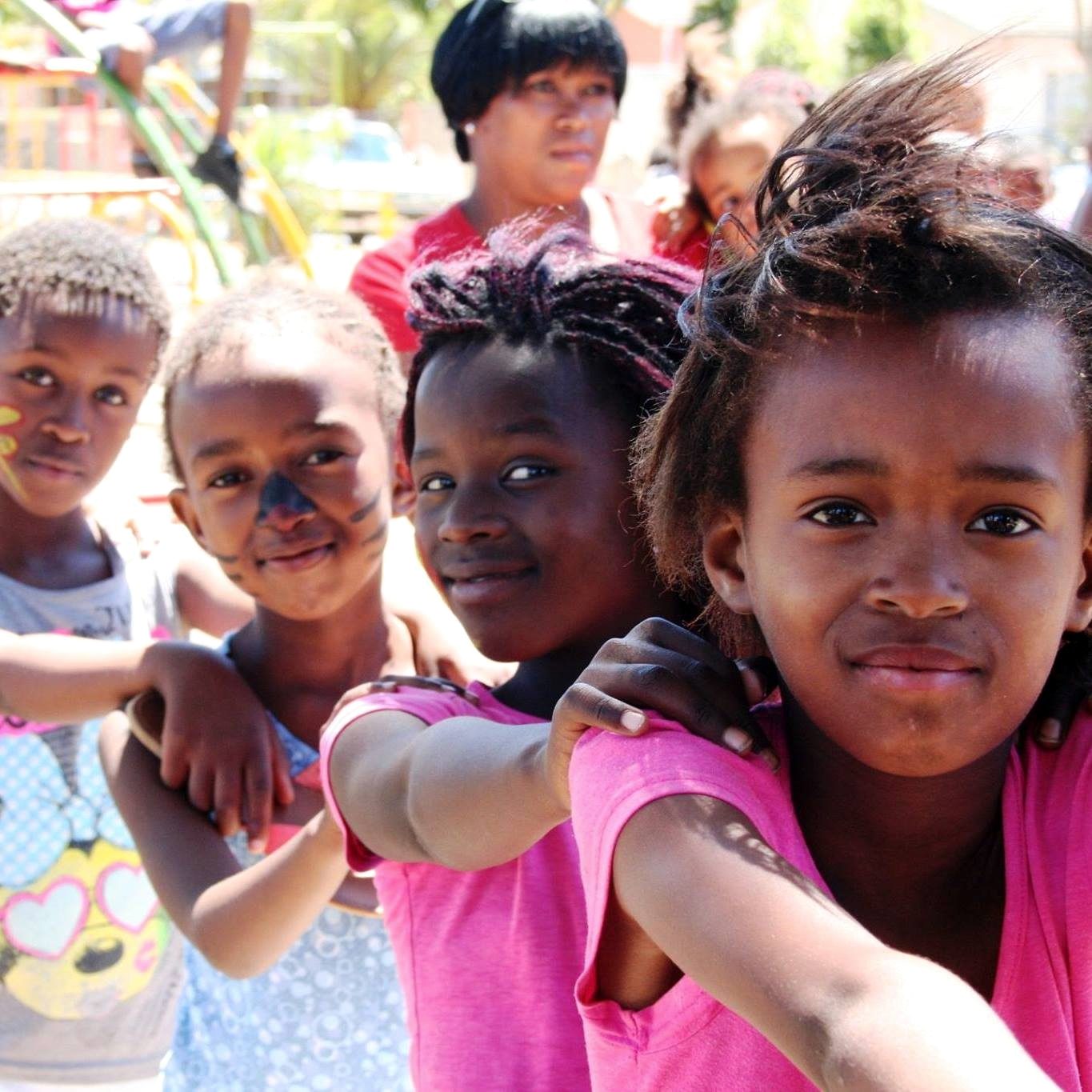
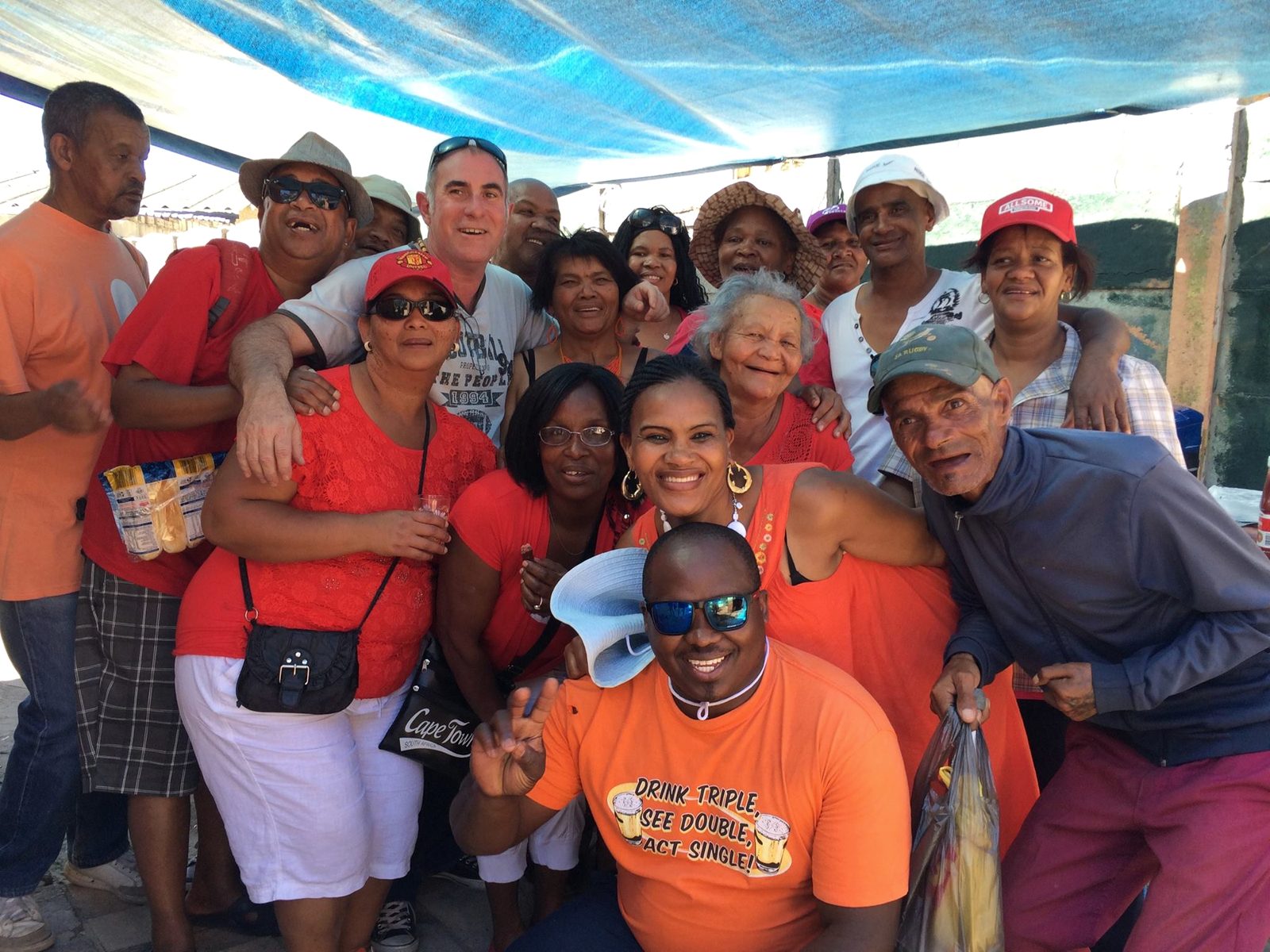
Through QEI Holdings — a community investment vehicle created with the Atlantis Dream Team — communities invest in, and earn returns from, the businesses growing around them. Ownership, not charity: when the businesses succeed, the community's stake pays out like any shareholder's.
Within our own structure, selected NGOs hold shareholdings directly in Caban. Their work is funded by dividends rather than donation cycles — sustainable income instead of annual fundraising.
The Caban Foundation
Our non-profit arm supports education, healthcare, and community development initiatives across South Africa, working alongside the portfolio rather than apart from it.
The result is a single system: businesses are funded, communities own a share of the growth, and the foundation reinvests where markets don't reach.
Built with serious partners, on the ground
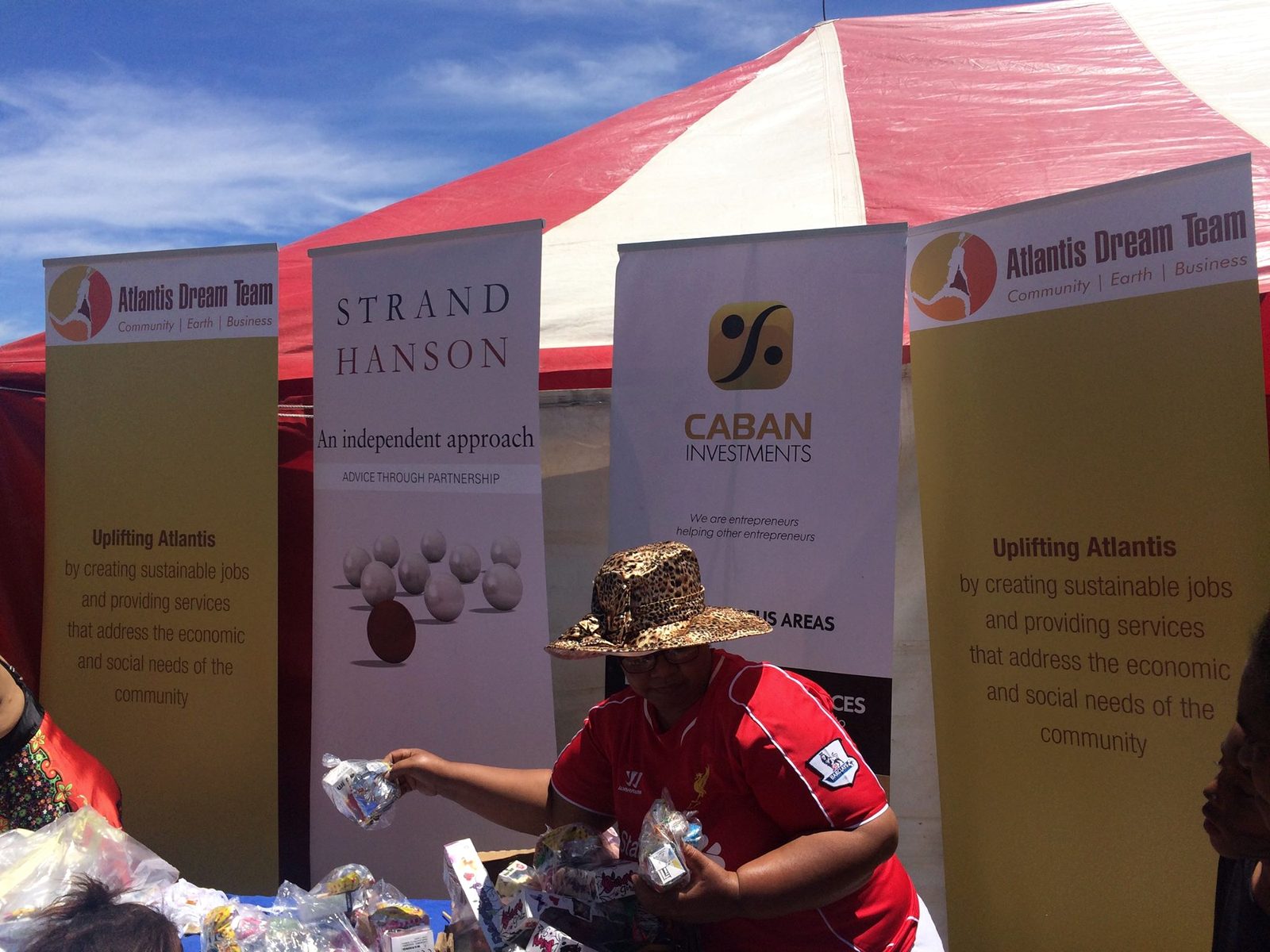
The Atlantis programme runs alongside institutions like Strand Hanson, the London corporate finance house — community upliftment and international capital standing side by side at the same table, because the model treats both as investors.
Community · Earth · Business — the Dream Team's own words. Ours is to make the business leg strong enough to fund the other two.
Ownership, not charity
Through QEI Holdings, communities hold real equity in the businesses growing around them. When the businesses pay dividends, so does the community’s stake.
Community shareholding
QEI Holdings, built with the Atlantis Dream Team
NGO equity
Selected NGOs hold shares in Caban itself — funded by dividends, not donation cycles
Governance seats
Communities represented where decisions are made
Enterprise as the engine
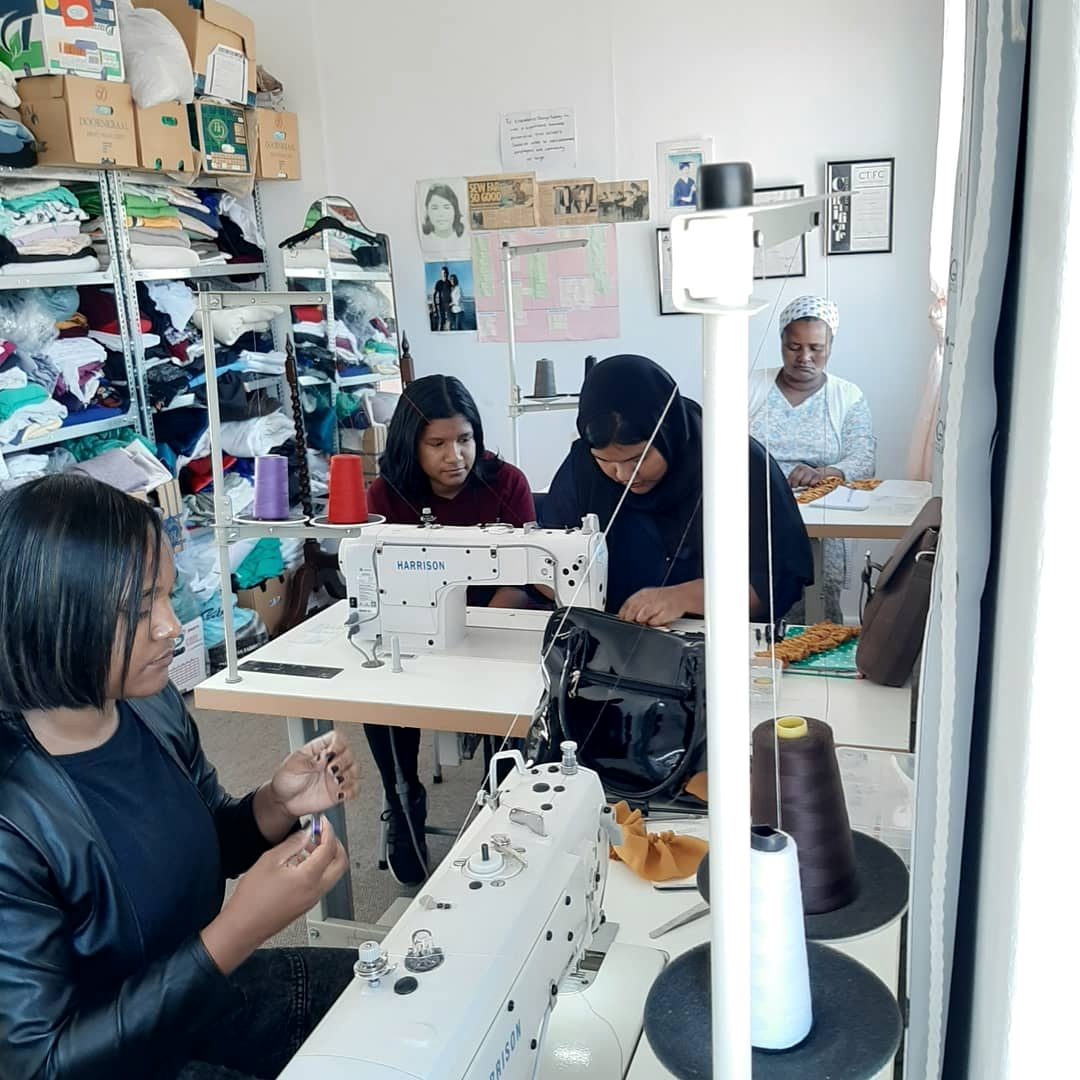
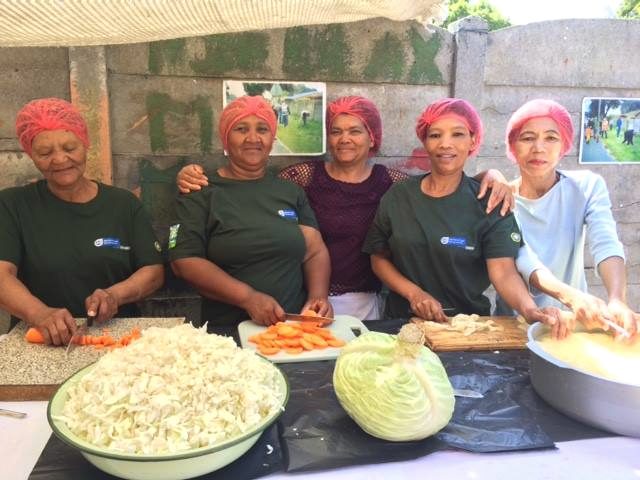
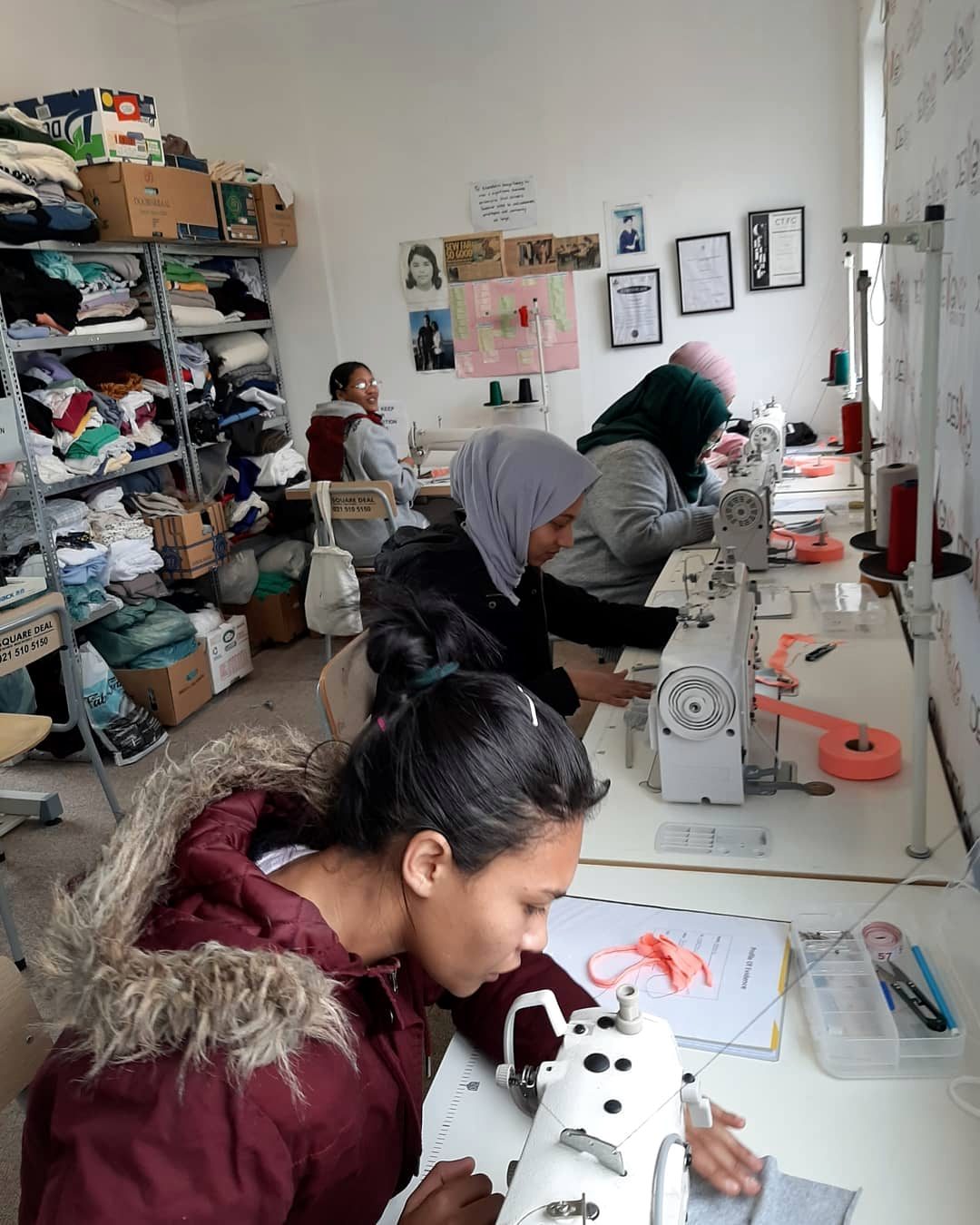
Skills programmes that end in a certificate change little. Ours end in trading businesses — sewing rooms that take orders, kitchens that cater, services that invoice.
Skills to enterprise
Training built around real production, from day one
Market access
Caban’s network buys from and sells for programme businesses
Path to investment
The strongest graduates enter the services-for-equity pipeline
The research behind the model.
Driving Inclusive Venture Capital in Sub-Saharan Africa — our white paper on why inclusion is a returns strategy, not a concession.
Read the white paperOriginal research by our analysts — the same work that informs every mandate we take. Full research programme →
Harnessing Private Growth Capital in South Africa to Create Jobs
Why private growth capital, not aid, is South Africa’s most credible jobs engine.
→White paperDriving Inclusive Venture Capital in Sub-Saharan Africa
Widening who gets funded — and why inclusive pipelines outperform.
→White paperIndustry Spotlight: Emerging Sectors for Venture Capital in South Africa
The sectors where South African venture returns are forming next.
→Forthcoming 2026The $331 Billion Gap: Financing Africa’s Missing Middle
Sizing the SME financing shortfall and the instruments closing it.
Also in production at the Caban research desk — white papers: Exit Pathways for African Growth Companies, Blended Capital for African Healthcare, From Grant to Equity: Community Ownership That Outlasts Donors · working papers: DFI Co-Investment Behaviour in Sub-Saharan Africa 2020–2026, Services-for-Equity: Evidence from a Decade of Portfolio Data, Pre-IPO Governance Readiness Among South African Mid-Caps.
Questions, answered
You have questions. Our team — and our research — has answers.
Is this CSR or investment?
Investment. Communities and NGOs hold equity and receive dividends on identical terms to any shareholder. Nothing here depends on annual charity budgets.
How is impact measured?
Every investment is assessed and reported against financial, social, and environmental criteria — jobs created, ownership transferred, services delivered.
Can impact investors and DFIs co-invest?
Yes — the structure was built for blended participation, and DFI-aligned reporting is standard.
Where does the Caban Foundation fit?
The Foundation is the non-profit arm, funding education and healthcare initiatives that markets alone cannot reach — alongside, not instead of, the investment model.
Invest where impact is structural, not a slide in the deck.
Whether you're an impact investor, a DFI, or a founder building something that matters — the model is built for you.
Talk to us about impact